If you have received a notice from your water district requiring annual backflow preventer testing, you are not alone — and this is not something to set aside and forget. California takes backflow compliance seriously, and the consequences of missing your testing deadline can be inconvenient and costly. Here is everything you need to know in plain language.
What Is a Backflow Preventer?
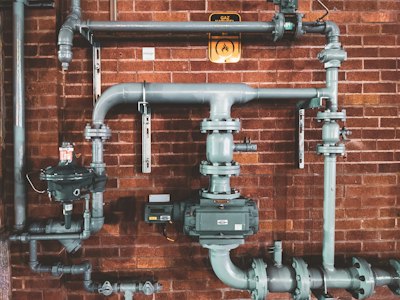
A backflow preventer is a mechanical device installed on your water supply line that prevents water from flowing backward into the public water system. Under normal conditions, water flows from the municipal supply into your home. But when municipal pressure drops — during a water main break, a firefighting operation, or a pressure surge — water can potentially be siphoned backward from your property into the public supply.
If your property has an irrigation system, pool, fire sprinkler system, or certain commercial water connections, there is a risk that contaminated water — fertilizers, pesticides, pool chemicals, or bacteria — could be pulled back into the public water supply. A backflow preventer stops this from happening. California law requires these devices to be installed and tested annually to confirm they are functioning correctly.
Why Did I Get a Notice?
Your water district (likely MWDOC or a local district in South Orange County) maintains records of all properties with required backflow preventers. When your annual testing is due, they mail a notice to the property owner. Many Dana Point homeowners are surprised by this notice because:
- They did not know the device existed when they bought the home
- It has been tested before but they forgot it was an annual requirement
- They just had a pool, spa, or irrigation system installed that triggered the requirement
Common Dana Point properties that require backflow testing: Homes with landscape irrigation systems, swimming pools or spas with fill connections, fire sprinkler systems, and HOA properties with shared irrigation or common area water connections. If you have any of these and have never scheduled backflow testing, verify your compliance status now.
What Happens If You Ignore the Notice?
This is important. Missing your backflow testing deadline is not like ignoring a recall notice — there are real consequences. Your water district can and will restrict or shut off your water service until you provide proof of a passing test and current compliance. Some districts also assess fines. The process of restoring service after a shutoff involves additional paperwork, fees, and scheduling delays beyond simply getting the test done.
The simplest advice: schedule the test before the deadline on your notice. It takes under an hour and costs far less than dealing with a service shutoff.
What Does the Testing Process Look Like?
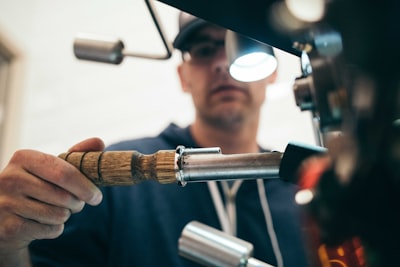
A certified backflow tester visits your property, locates the device — usually near your irrigation shutoff valve, at the water meter, or in a utility area — and performs a pressure test using calibrated equipment. The test checks that the device's internal check valves are seating properly and preventing backward flow. The whole process typically takes 20 to 45 minutes depending on the device type and accessibility.
If the device passes, we submit a test report directly to your water district as proof of compliance. If it fails, we provide options for repair or replacement on the spot.
What If My Device Fails Testing?
Backflow preventers contain rubber seals and springs that wear over time. Failing a test does not mean the device is catastrophically broken — it often means a seal has worn and needs replacement. We carry common repair parts and can often fix a failed device during the same visit and retest immediately. If the device is too old or corroded to repair cost-effectively, we install a new code-compliant unit, test it, and file the report the same day.
Call us at (949) 658-0495 when your notice arrives. We schedule quickly — most Dana Point backflow testing is completed within one to three business days of your call.